Step Count Might Be the Wrong Number to Watch — Pace Matters More Than You Think
Ten thousand steps has become the default number everyone tracks, but research on walking’s actual health benefits increasingly points to pace as a variable that matters just as much, if not more, than raw step count alone. A slow ten thousand steps and a brisk seven thousand steps are not physiologically equivalent. Here is why step count alone misses something important, what pace actually adds to the picture, and how to track both without turning a simple walk into a complicated data project.

Why Step Count Alone Misses a Key Variable
The measurement gap: the the-10000-steps-figure-originated-as-a-marketing-number-not-a-research-finding (the widely cited target tracing back to a 1960s Japanese pedometer marketing campaign rather than a specific clinical research threshold, a detail from the 10000-steps-myth-truth-guide logic worth knowing — the the-famous-number-has-a-marketing-origin-not-a-clinical-research-origin), the the-same-step-count-can-represent-very-different-cardiovascular-effort-levels (the ten thousand slow, leisurely steps producing a meaningfully different cardiovascular demand than ten thousand brisk steps, despite an identical step count — the identical-step-counts-can-represent-very-different-actual-effort), the the-step-count-doesn’t-capture-intensity-at-all (the raw count measuring quantity of movement while saying nothing about how much cardiovascular or metabolic effort that movement actually required — the quantity-and-intensity-are-two-different-measurements-entirely), the the-some-research-links-pace-specifically-to-mortality-and-health-outcomes (the emerging research specifically examining walking pace, independent of total volume, finding associations with health outcomes that step count alone doesn’t fully capture — the pace-specific-research-is-a-newer-and-growing-body-of-evidence), the the-a-fixation-on-hitting-a-step-number-can-encourage-shuffling-rather-than-purposeful-walking (the pursuit of a step target sometimes leading to slow, distracted movement specifically aimed at accumulating count rather than genuine brisk activity — the chasing-the-number-can-actually-work-against-getting-genuine-cardiovascular-benefit), and the reframe (the step-count-alone approach as missing the intensity dimension entirely — a useful volume metric, but an incomplete picture of what makes walking actually beneficial)).
What Pace Actually Adds to the Picture
The specific benefit of a brisk pace: the the-brisk-pace-produces-real-cardiovascular-training-effect (the walking at a pace that meaningfully elevates heart rate producing genuine cardiovascular conditioning that a slow stroll at the same duration doesn’t replicate — the brisk-pace-crosses-into-actual-cardio-training-territory-slow-walking-doesnt-reach), the the-a-simple-talk-test-identifies-brisk-pace-without-any-equipment (the ability to talk but not sing comfortably during the walk being a widely used, equipment-free proxy for a genuinely brisk, beneficial pace — the the-talk-test-is-a-free-and-remarkably-reliable-intensity-check), the the-pace-can-be-increased-without-increasing-total-time-commitment (the same walking time producing more cardiovascular benefit simply by walking faster, without needing to carve out additional minutes in an already busy schedule — the pace-increase-is-a-time-neutral-way-to-get-more-benefit), the the-interval-style-pace-changes-within-one-walk-add-further-benefit (the alternating brief bursts of brisker pace within an otherwise moderate walk providing additional cardiovascular benefit beyond a single steady pace throughout from the hot-girl-walk-guide logic — the pace-variation-within-a-single-walk-is-its-own-additional-lever), the the-pace-matters-alongside-volume-not-instead-of-it (the ideal approach combining reasonable total volume with at least some portion at a genuinely brisk pace, rather than treating pace as a full replacement for step count — the pace-and-volume-work-together-not-as-substitutes-for-each-other), and the frame (the added value of pace as real cardiovascular training effect, a free equipment-less way to check it via the talk test, more benefit without more time, added benefit from pace variation within a walk, and combining with volume rather than replacing it — pace fills in exactly what step count alone leaves out).
How to Track Both Without Overcomplicating a Simple Walk
The practical, low-effort approach: the use-the-talk-test-instead-of-obsessing-over-a-specific-speed-number (the relying on the simple conversational breathlessness check rather than trying to hit a precise miles-per-hour target, which adds unnecessary complexity for most casual walkers — the the-talk-test-replaces-the-need-for-precise-pace-tracking-for-most-people), the the-keep-step-count-as-a-general-volume-check-not-the-only-metric (the continuing to track total steps as a rough activity-level indicator while adding the pace awareness on top, rather than abandoning step tracking altogether — the step-count-still-has-value-as-one-piece-of-a-fuller-picture), the the-designate-a-portion-of-regular-walks-as-deliberately-brisk (the setting aside even just ten to fifteen minutes of a longer walk to be genuinely brisk, rather than needing an entire walk at elevated pace — the a-brisk-portion-not-the-whole-walk-captures-most-of-the-benefit), the the-dont-let-pace-tracking-become-its-own-source-of-pressure-or-guilt (the keeping pace awareness as a loose guide rather than another number to feel bad about not hitting perfectly every single day — the pace-awareness-should-reduce-not-add-to-the-mental-load-of-walking), the the-vary-pace-naturally-based-on-purpose-of-the-walk (the allowing some walks to stay slow and restorative by design — a walking meditation, an evening wind-down — while reserving brisker pace specifically for walks meant to serve a cardio purpose — the not-every-walk-needs-to-be-brisk-different-walks-can-serve-different-purposes), and the frame (the practical tracking approach as using the talk test instead of a precise speed number, keeping step count as a general volume gauge, designating just a portion of a walk as deliberately brisk, avoiding turning pace into another source of guilt, and letting different walks serve different purposes — a genuinely simple way to add the missing intensity dimension without complicating a basic daily walk).
The famous ten-thousand-step target traces back to a 1960s marketing campaign rather than a specific research finding, and step count alone measures quantity of movement while saying nothing about intensity — ten thousand slow steps and ten thousand brisk steps produce meaningfully different cardiovascular effort despite an identical count, and emerging research on walking pace specifically finds health associations that step count alone doesn’t fully capture. A genuinely brisk pace, identifiable with the simple talk test of being able to talk but not sing comfortably, produces real cardiovascular training effect without needing any extra time in the day. Track both without overcomplicating things by using the talk test instead of chasing a precise speed number, keeping step count as a rough general volume check, designating just ten to fifteen minutes of a longer walk as deliberately brisk, and letting some walks stay slow and restorative by design while others serve a specific cardio purpose.
See It in Motion
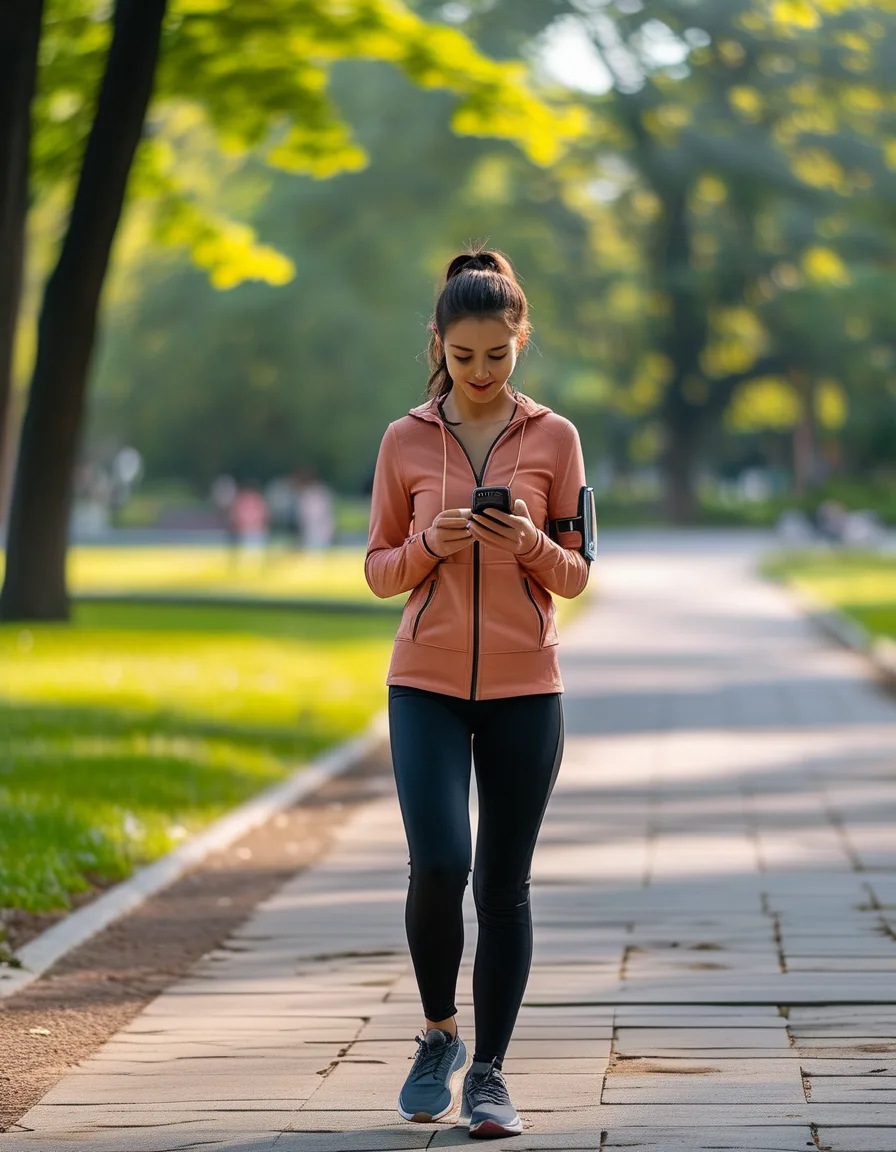
Seen here: High Waist Jogger Sweatpants with Pockets — shop it on bubblelime.com
Keep Reading
This article is for general informational and styling purposes only. Fit, sizing, and product availability may vary.