Your Walk Is About to Get Dark: How to Handle Shortening Daylight Without Losing the Habit
Quick Answer: Move the walk before you have to, not after. From late August daylight shortens by roughly 2 to 3 minutes per day in mid-latitudes, so a walk that finished comfortably in light in early September will be finishing in dusk by early October. Shift the start time by 15 minutes every two weeks, add reflective gear before you think you need it, and switch your route to lit, familiar ground.
The reason this trips people up every year is that the change is invisible day to day and enormous over a month.
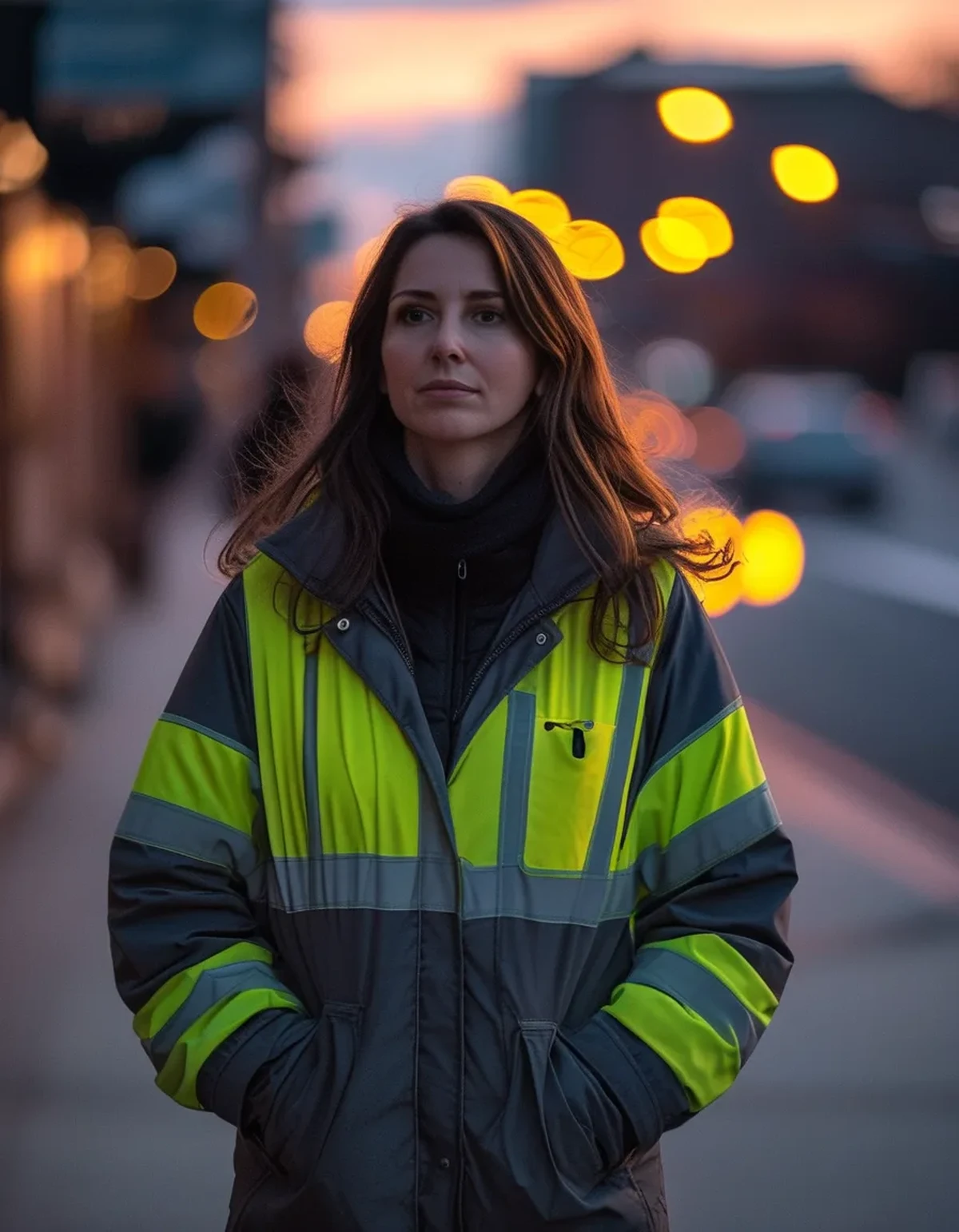
How fast does daylight actually disappear?
Faster than intuition suggests, and fastest right now.
The rate is not constant. Day length changes slowly around the solstices and fastest around the equinoxes. Late August through October is the steepest part of the curve, which is exactly when routines are being rebuilt after summer.
Typical figures for mid-northern latitudes:
- Around 2 to 3 minutes of daylight lost per day through September and early October
- Roughly 45 minutes to an hour lost per fortnight
- Around 2 hours lost across September alone in many places
What that means for a real walk. A 6pm walk that finishes in comfortable light on September 1 finishes in dusk by September 20 and in darkness by mid-October. You did not change anything - the sun did.
Why people do not adapt in time. A daily change of 2 minutes is imperceptible. The first genuinely dark walk arrives as a surprise, usually without reflective clothing, on a route chosen for scenery rather than lighting, and it is unpleasant enough that the walk gets skipped the next day. Two or three skips is all it takes for a habit to lose momentum.
The fix is calendar-based rather than reactive. Decide now what the walk looks like in six weeks, and start moving toward it before the light forces you to.
One more factor worth naming: the clock change. Where daylight saving ends, evening light drops by a full hour overnight. That single day breaks more walking habits than the entire preceding month, and it is entirely predictable.
Should you move the walk to the morning instead?
Sometimes, and the decision is more nuanced than it looks.
The case for moving to morning:
- Morning light holds up better than evening light through autumn in most schedules, since you are already awake before sunrise for much of the year anyway
- Morning light exposure supports circadian rhythm, which matters more as total daylight falls and is one of the more evidence-backed reasons to prefer it
- Fewer competing commitments; evenings collapse under other demands as the term progresses
The case against:
- Mornings get dark too, and in deep winter both ends of the day are dark in many places, so the move only buys you a few weeks
- Colder, which for many people is a bigger barrier than darkness
- It requires an earlier wake time, and cutting sleep to walk is a poor trade
A better framing than morning versus evening. Ask which slot you can protect for the next four months, and then solve the darkness rather than avoiding it. Walking in the dark is entirely manageable with the right gear and route - and a walk you will actually do in the dark beats a morning walk you will abandon in three weeks.
The genuine third option: lunchtime. For anyone with flexibility, a midday walk is the only slot that stays light all winter. It is underused because it does not feel like a proper walk, and it is frequently the most sustainable choice available.
A practical hybrid many people land on: morning or lunchtime on weekdays, longer evening or afternoon walks on weekends when the timing is free. It keeps the habit and the longer sessions without depending on a slot that is disappearing.
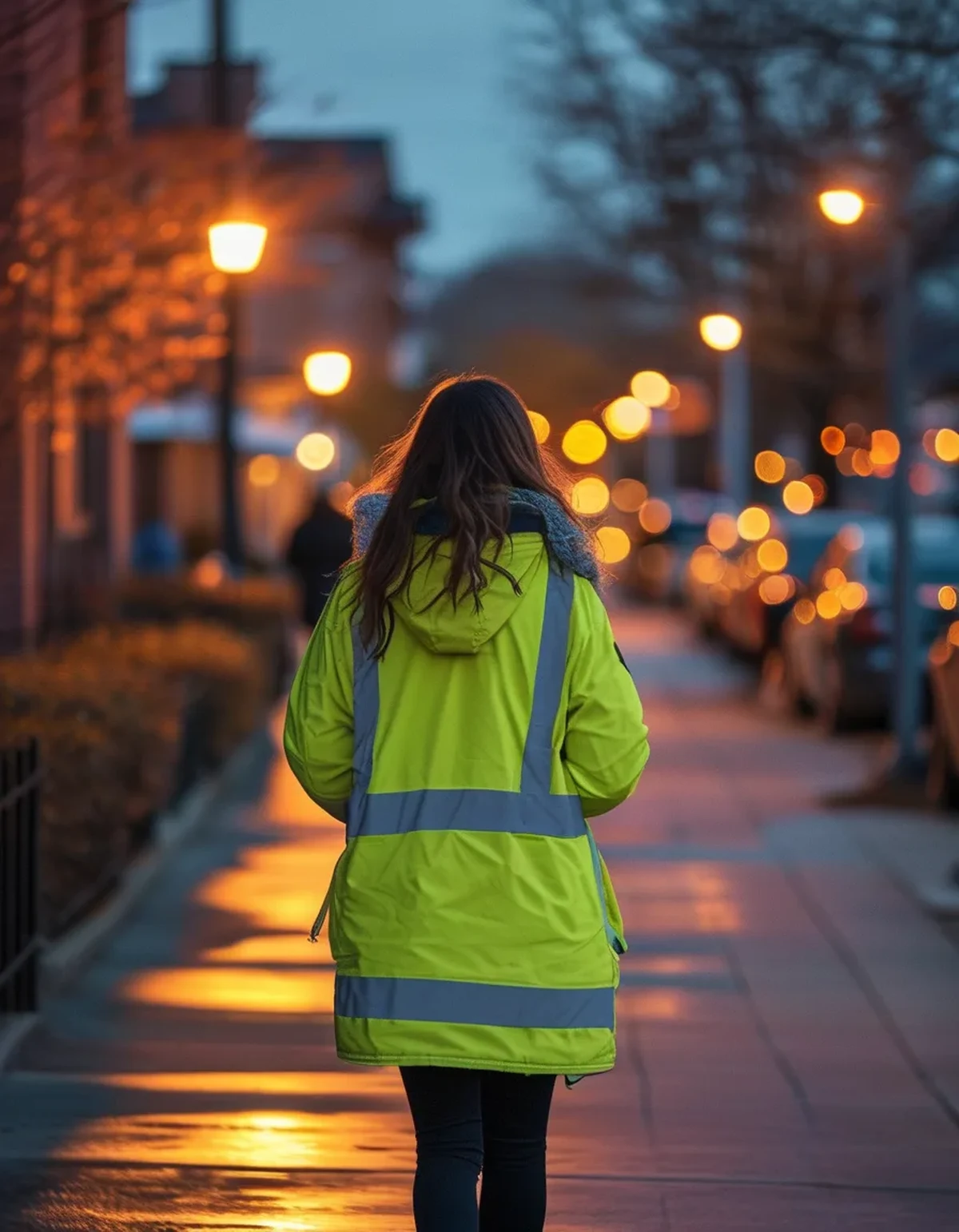
What actually makes walking in the dark safe?
Being seen, and being seen much earlier than you assume.
Visibility, in order of effectiveness:
- Reflective material that moves. Reflective strips on ankles and wrists are far more effective than a static panel on your back, because motion is what human perception picks up. This is the highest-value single upgrade
- Active lights. A small blinking light clipped to a jacket or bag makes you visible far earlier than reflection, which requires a driver’s headlights to be pointed at you
- Light or bright clothing, which helps at dusk far more than in full darkness
- A headlamp or handheld light, which serves both to see the ground and to be seen
A number worth internalizing. A driver at 50kmh covers roughly 14 metres per second. A pedestrian in dark clothing may only become visible at around 30 metres under low beams, which is about two seconds of reaction time. Reflective material can extend that to well over 100 metres. That is the entire argument.
Route choices that matter more than gear:
- Choose lit, familiar routes and accept that they may be less scenic. Familiarity means you know the uneven paving and the low branch
- Walk facing traffic on roads without sidewalks, so you can see and be seen by oncoming vehicles
- Avoid unlit paths and parks after dark, both for footing and for general safety
- Cross at lit crossings, even if it means a detour. Most pedestrian incidents happen crossing away from designated points
On footing. Autumn adds wet leaves, which are genuinely slippery, and early frost. Slowing your pace by even a little on wet leaf cover is worth doing - and it is the reason many walking injuries cluster in autumn rather than winter, when people are already being careful.
On phones and headphones. Reduced light plus reduced hearing is a meaningful combination. Keeping one ear free, or using bone conduction headphones, is a small adjustment with a real payoff.
What Nobody Tells You About Autumn Walking
The habit breaks on the clock change, not gradually. Everyone braces for winter and gets caught by a single Sunday in autumn. Plan for that date specifically.
Dusk is more dangerous than full darkness. Drivers have not adjusted, headlights are often not yet on, and the light level is falling faster than eyes adapt. The riskiest walking window is the 30 minutes either side of sunset, not midnight.
Cold feels worse when it is dark, independent of temperature. The same 12C reads as pleasant at 4pm and miserable at 7pm. This is partly perception and partly that temperature genuinely drops after sunset - dressing for the end of the walk rather than the start solves it.
Your walk will feel shorter. Without landmarks and distance cues, perceived duration compresses in the dark. Walkers frequently report that their dark walks feel faster, and their pace often is genuinely different.
Reflective gear on the dog matters too, for anyone walking one. A dark dog on a long leash is effectively invisible and is closer to the road than you are.
Autumn is the best walking weather of the year and almost nobody takes advantage. Cool enough for effort, not yet cold, dry underfoot for a few more weeks. The people who set up their lighting and route in early September get six genuinely excellent weeks that everyone else spends deciding whether to bother.
FAQ: Walking as Days Get Shorter, Answered
How much daylight am I actually losing?
Around 2 to 3 minutes a day in September and early October at mid-latitudes - roughly two hours across September alone. The rate is fastest near the equinox.
Is it better to move my walk to the morning?
Only if you can protect that slot all winter. Mornings get dark too, so it buys weeks rather than months. A midday walk is the only slot that stays light through winter.
What is the single most effective visibility upgrade?
Reflective material on ankles and wrists. Movement is what makes reflection register, so moving reflectors beat a static panel on your back.
Are blinking lights better than reflective strips?
They work differently - lights are visible without headlights pointed at you, reflectors are brighter once they are. Use both.
When is the most dangerous time to walk?
The half hour either side of sunset. Light is dropping faster than eyes adapt and many drivers have not yet switched on headlights.
How do I stop the clock change from breaking my habit?
Decide in advance what the walk looks like the week after, and move your start time in 15-minute steps in the fortnight before rather than all at once.
TL;DR:
- Daylight falls 2 to 3 minutes per day right now, about two hours across September - imperceptible daily, enormous monthly
- Shift your start time in 15-minute steps every two weeks rather than reacting when it is already dark
- Reflective material on ankles and wrists beats a static back panel; add an active blinking light too
- Dusk is the highest-risk window, not full darkness - and wet leaves cause more autumn falls than ice does
- The clock change breaks more habits than the whole preceding month; plan for that specific date
Set up the lighting and the route in early September and you get the best six weeks of walking weather in the year.
See It in Motion
Seen here: Super High Waist Embossed Yoga Leggings with Inner Pocket — shop it on bubblelime.com
Keep Reading
This article is for general informational and styling purposes only. Fit, sizing, and product availability may vary.