Why Treadmill Walking Feels Easier Than Walking Outside at the Same Speed
Quick Answer: Treadmill walking at the same speed is genuinely easier than outdoor walking, mainly because there is no air resistance and the belt assists leg turnover slightly. Setting the treadmill to a 1 percent incline closes most of the gap at walking speeds. Wind, surface variation and micro-changes in terrain account for the rest, and those cannot be replicated indoors.
You walk 3.5 mph outside and it feels like exercise. You walk 3.5 mph on the treadmill and it feels like standing up.
This is not your imagination and it is not fitness. It is physics, and knowing the size of the difference tells you exactly how to adjust.
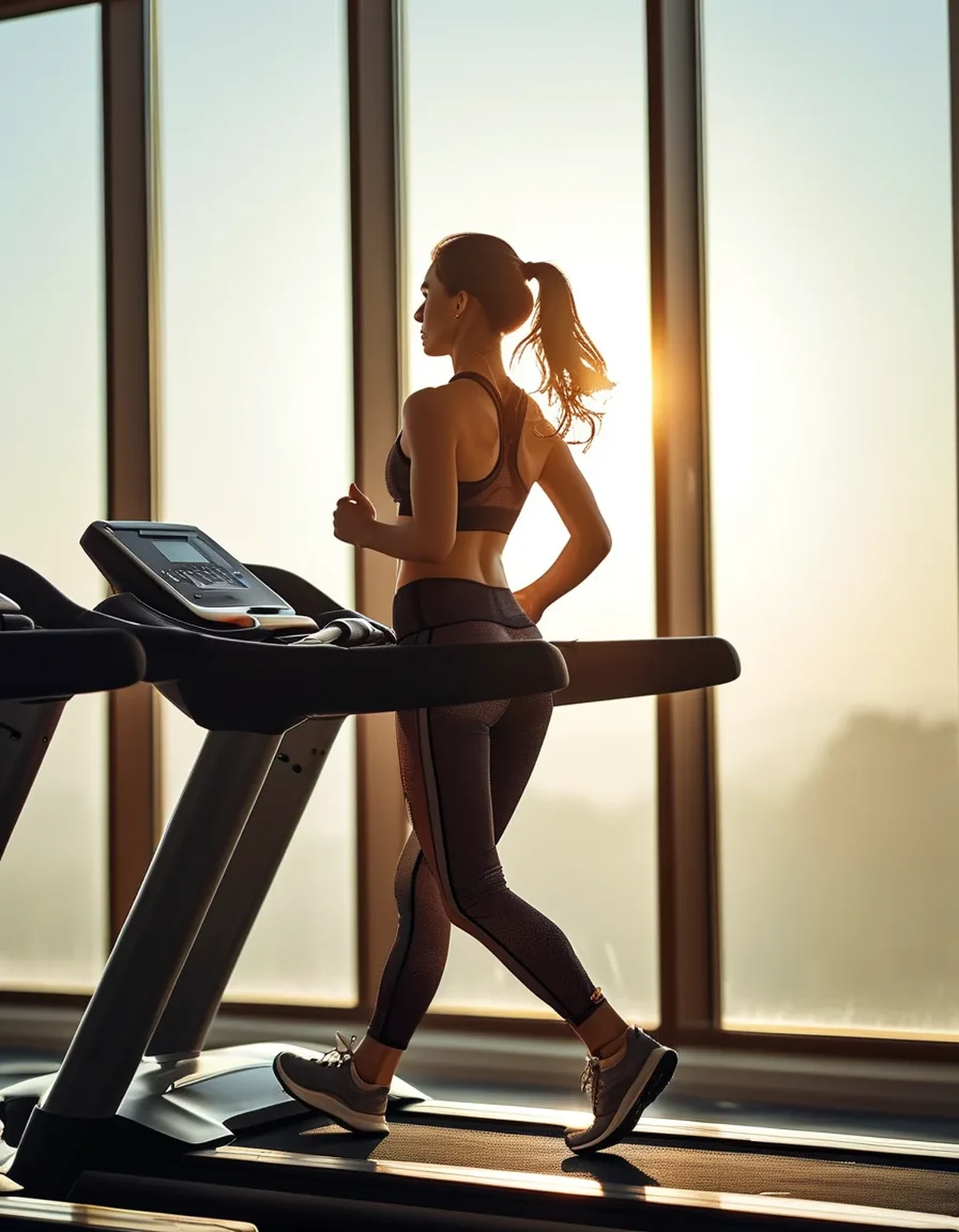
What actually makes outdoor walking harder?
Four factors, roughly in order of contribution at walking pace.
Terrain variation. This is the biggest one and the one people underestimate. Outdoors, no two steps are identical — a slight camber on a sidewalk, a curb, a rise you barely register. Each variation recruits stabilising muscles that a flat moving belt never asks for. Over a 45-minute walk this adds up to meaningfully more work, even though no single step feels harder.
Air resistance. Real but small at walking speed. At 3 to 4 mph, air resistance accounts for only a couple of percent of energy cost — it becomes significant above about 8 mph. This is why the standard 1 percent incline correction, which was derived from running research, slightly over-corrects for walkers.
Belt assistance. The treadmill belt moves under you, which means the propulsive demand on your trailing leg is slightly reduced. The effect is modest but consistent.
Wind and weather. Highly variable. A steady headwind at 10 mph noticeably raises effort. So does walking in 28°C with high humidity, which is still a factor into early September in much of the US — your heart rate at a given pace can be 10 to 15 beats higher in heat, entirely from thermoregulation.
Add them up and outdoor walking typically costs somewhere in the region of 5 to 10 percent more energy at the same displayed speed.
How much incline do you need to match outdoor walking?
One percent is the standard answer and it is close enough for most purposes at walking speeds.
The more useful framing: incline is a blunt tool for matching effort, and a better approach is to match heart rate rather than speed or grade. If your usual outdoor walk sits at 115 bpm, set the treadmill to whatever combination of speed and incline puts you at 115. That automatically accounts for the day, the heat, your sleep and everything else the incline number cannot know.
For people who prefer a rule of thumb:
- 1 percent incline approximately matches flat outdoor walking.
- 2 to 3 percent approximates gently rolling terrain.
- 5 percent and above is hill training, not a correction — this is a different stimulus entirely, working the calves and glutes considerably harder.
A caution about high inclines: walking at 10 to 15 percent grade while holding the handrails removes most of the benefit, because you are transferring load to your arms. If you need to hold on, reduce the incline until you do not. Handrail-gripping at steep grades is the most common way people over-report their treadmill effort.
Also worth knowing: treadmill speed and incline displays are frequently inaccurate, especially on older machines and after belt wear. Do not treat the numbers as absolute across different machines.
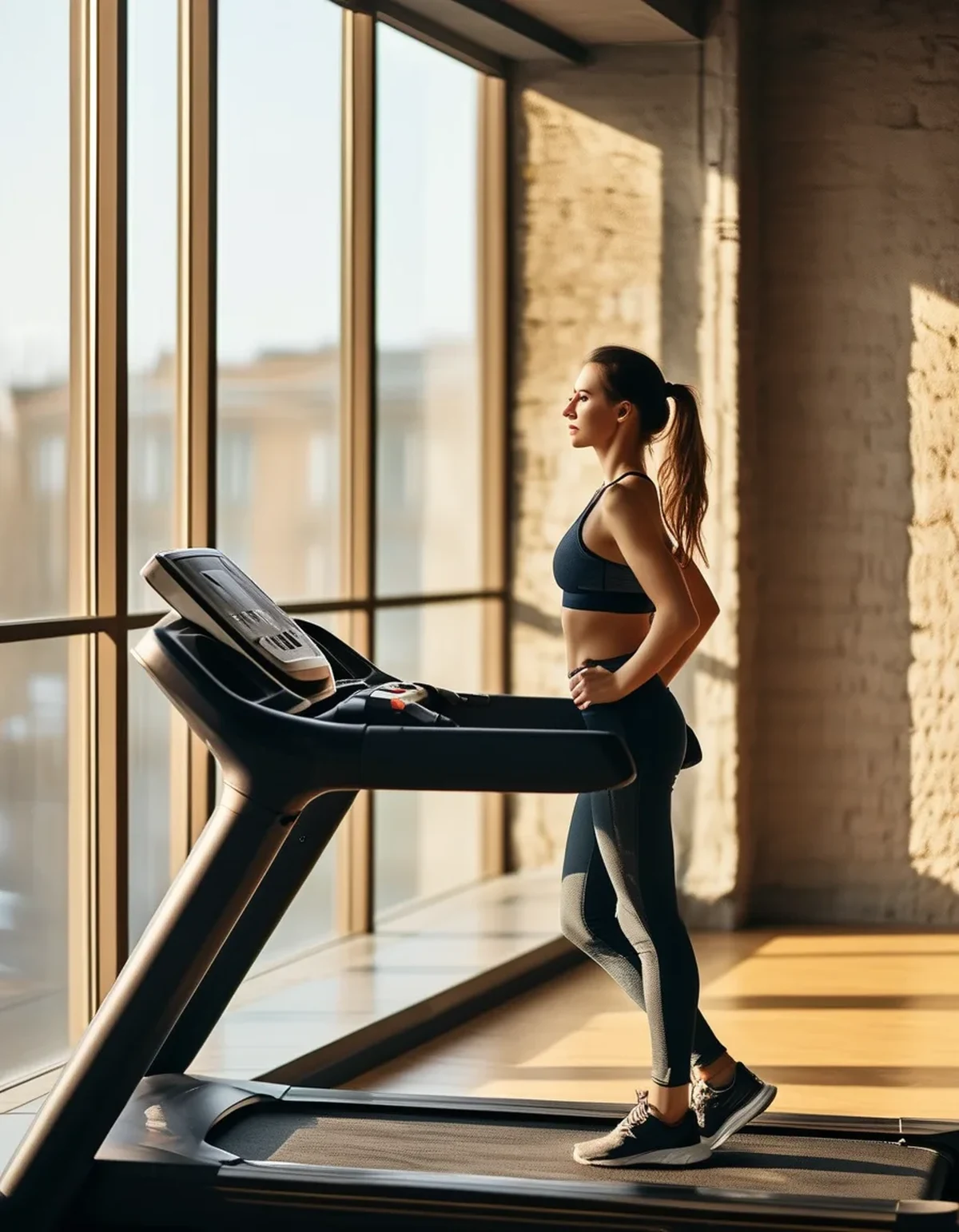
Which one should you actually choose?
It depends on what the walk is for, and the honest answer is that both have a clear best use.
Choose outdoor walking for: general health, mood, sleep and circadian benefit. The light exposure alone is a genuine advantage that no treadmill provides — morning outdoor light is one of the strongest available signals for regulating sleep timing. Outdoor walking also produces better balance and ankle stability because of the terrain variation, which matters increasingly with age.
Choose treadmill walking for: precision and consistency. If you are progressing a specific stimulus — a set incline, a set duration, an interval structure — the treadmill lets you repeat it exactly. It is also the better option when heat, ice, darkness or air quality make outdoor walking genuinely worse, which in most US climates is a meaningful part of the year.
The seasonal answer, since it is mid-August: this is the transition point where the calculation flips for many people. Early morning outdoor walks are becoming pleasant again as the worst heat breaks, while evening walks are running into earlier sunsets and visibility issues. A reasonable pattern for the next six weeks is outdoors in the morning, treadmill in the evening.
The strongest option for most people is not choosing. Doing both keeps the terrain variation and light exposure while giving you a fallback that removes every excuse.
5 Mistakes People Make on the Treadmill
1. Holding the handrails. This reduces energy cost substantially — studies have found it can cut the metabolic cost of an inclined walk by 20 to 25 percent. If you need the rails for balance that is fine, but reduce the incline and speed until you do not need them.
2. Trusting the calorie display. Treadmill calorie estimates are based on generic formulas and typically overestimate, sometimes by 15 to 20 percent. Use them for relative comparison across sessions on the same machine, never as absolute figures.
3. Setting zero incline forever. Zero incline is easier than any real-world walking surface. If you never leave zero, you are training a slightly easier version of the thing you do outside.
4. Looking down at the console. Walking with your head tilted down changes your posture through the whole chain and, over a 45-minute session, produces neck and upper back tightness that people blame on their desk. Set the incline and then look at something at eye level.
5. Matching outdoor pace exactly and concluding you have plateaued. This is the one that quietly frustrates people. Your outdoor pace does not transfer directly, so a treadmill session at your usual outdoor speed will feel and register as easier — that is the machine, not your fitness going backwards.
FAQ: Treadmill vs Outdoor Walking Questions, Answered
Does treadmill walking burn fewer calories?
Slightly, at the same displayed speed and zero incline — in the region of 5 to 10 percent less. Add 1 percent incline and the difference largely disappears.
Is treadmill walking worse for my joints?
No, generally the opposite. Treadmill decks have some give and the surface is uniform, which is usually gentler than concrete. The trade-off is that the repetitive identical stride can aggravate an existing issue that varied terrain would not.
Why does my step count differ between the two?
Wrist-based trackers count steps from arm movement, and people hold their arms differently on a treadmill — often stiller, sometimes on the rails. If your treadmill sessions log fewer steps than the distance suggests, that is why.
Should I use incline or speed to make it harder?
Incline, for most people. Raising incline increases effort while keeping impact and stride mechanics comfortable, whereas raising speed eventually pushes you into a walk-run transition around 4.5 mph where efficiency collapses.
Does walking on a treadmill count as real exercise?
Yes. The differences discussed here are worth understanding for calibration, not as an argument that one version is legitimate and the other is not. A 45-minute treadmill walk at a reasonable incline is a good session by any measure.
TL;DR:
- Treadmill walking is genuinely 5 to 10 percent easier at the same speed — no air resistance, no terrain variation, slight belt assist.
- Set 1 percent incline to approximate flat outdoor walking, or better, match heart rate instead of speed.
- Outdoors wins for light exposure, balance and mood; treadmill wins for precision, safety and consistency.
- Stop holding the handrails — it removes a fifth of the work.
The reason this comparison is worth getting right is that most people quietly conclude they have lost fitness when they move indoors, when all that has changed is the surface under their feet. Adjust for the difference once and both versions become useful for what they are actually good at.
See It in Motion
Seen here: High Waist Jogger Sweatpants with Pockets — shop it on bubblelime.com
Keep Reading
This article is for general informational and styling purposes only. Fit, sizing, and product availability may vary.