10,000 Steps: Marketing Myth, Decent Goal, or Both?
Confession time: 10,000 steps was born not in a lab but in a 1960s Japanese pedometer marketing campaign (the character for 10,000 looks like a person walking — great branding, zero clinical trials). So is the number nonsense? Not quite. The real research is friendlier than the myth.

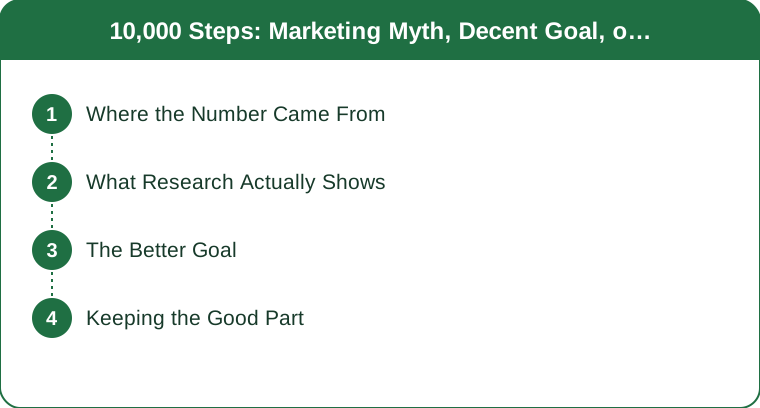
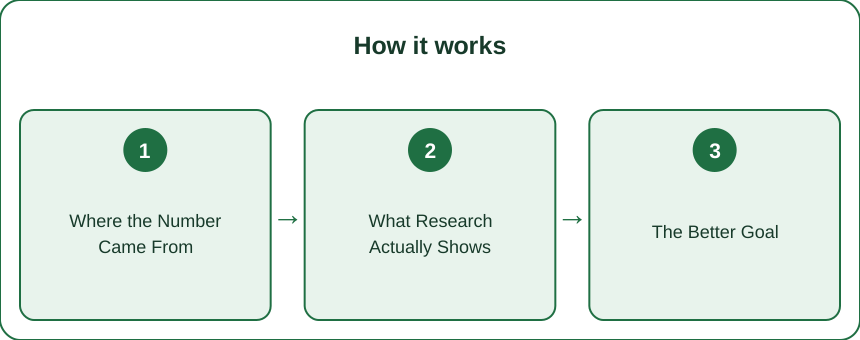
Where the Number Came From
The manpo-kei (‘10,000 step meter’) sold pedometers, not science. The number stuck because it is round, ambitious and satisfying — the marketing was so good it became global health folklore for sixty years.
What Research Actually Shows
Mortality benefits climb steeply from 2,000 to about 7,000–8,000 steps, then flatten — the biggest wins go to the least active. Translation: going from 3,000 to 6,000 changes your health more than 8,000 to 11,000. The curve loves beginners.

The Better Goal
Your baseline plus 2,000 beats a universal number — sustainable increments outperform heroic targets abandoned by February. Pace matters too: some of those steps at brisk, talk-not-sing effort multiplies the return.
Keeping the Good Part
The 10,000 myth’s secret virtue: it made people count at all. Keep the counting, lose the guilt — 7,500 lively steps is a scientifically excellent day, whatever the watch’s opinion. The watch works for you.
Born in an ad, redeemed by research: aim for baseline-plus-2,000, make some brisk, and let 7,000-ish be victory. The pedometer marketers accidentally started something great — finish it on your own terms.
See It in Motion
Seen here: High Waist Jogger Sweatpants with Pockets — shop it on bubblelime.com
Keep Reading
This article is for general informational and styling purposes only. Fit, sizing, and product availability may vary.